
Table of Contents
- They don't trust your business
- Your value proposition isn't immediately clear
- Your website looks outdated or unprofessional
- Your website loads too slowly
- You don't have enough social proof
- Visitors don't understand the value of your product
- Your checkout process creates friction
- Visitors can't find the information they need
- Your call-to-action isn't strong enough
- The bottom line
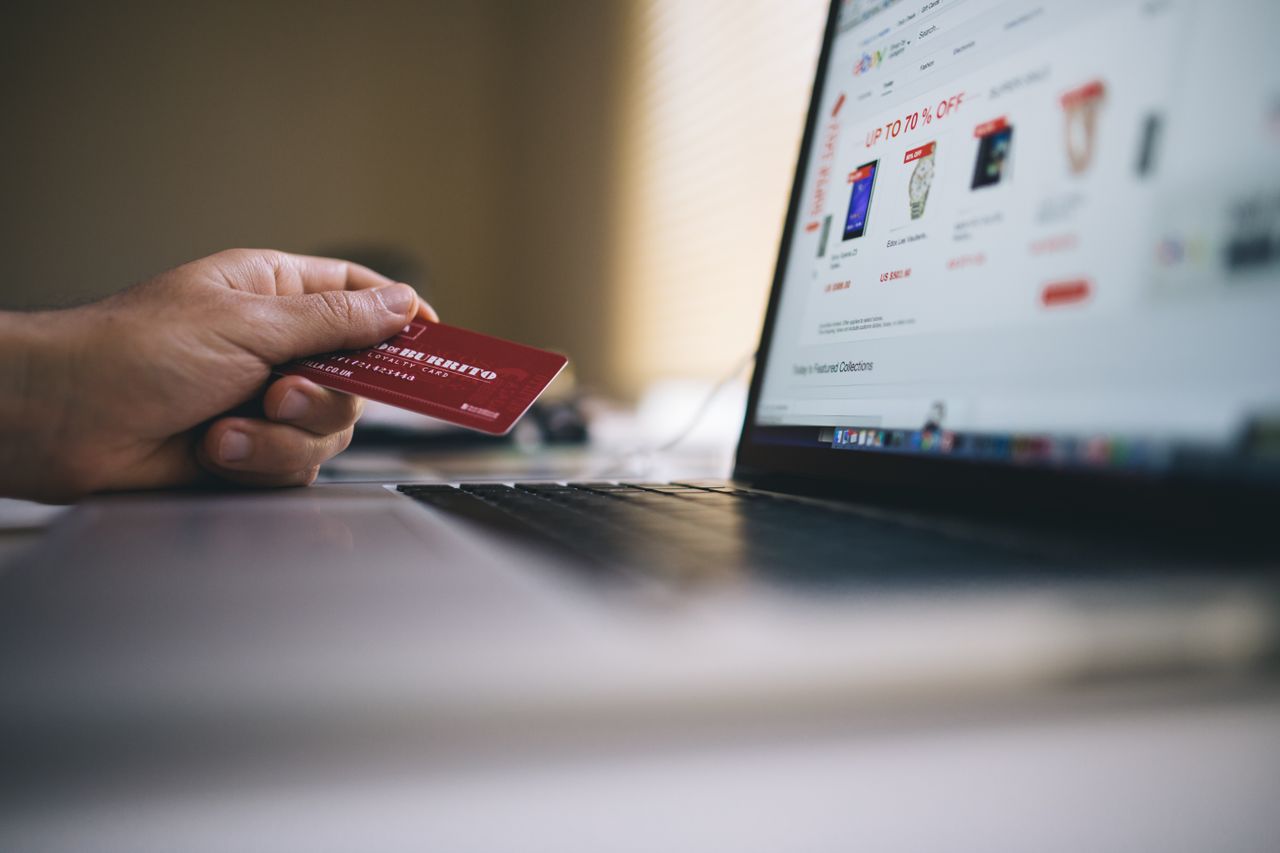
Driving traffic to your website is an achievement, but traffic alone doesn’t generate revenue. What really matters is how many of those visitors become customers.
Many website owners immediately assume that low sales mean they need more visitors. In reality, the problem often lies elsewhere. If your website isn’t building trust, communicating value, or providing a smooth buying experience, even thousands of visitors may leave without making a purchase.
Here are nine of the most common reasons why visitors don’t buy—and what you can do to improve your conversion rate.
They don’t trust your business
Trust is the foundation of every online purchase. Unlike a physical store, visitors can’t see your office, meet your team, or inspect your product in person. They rely entirely on what they see on your website.
If your website is missing important trust signals, visitors may question whether your business is legitimate.
Common trust signals include:
- About Us page
- Contact information
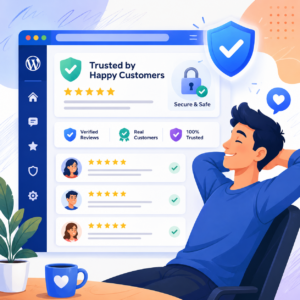
- Customer reviews
- Testimonials
- Business address
- Refund policy
- Privacy policy
- Secure payment badges
- SSL certificate (HTTPS)
Even if your product is excellent, visitors are unlikely to risk their money if they don’t feel confident about your business.
Your value proposition isn’t immediately clear
Most visitors decide within a few seconds whether your website is relevant to them.
If your homepage doesn’t clearly explain:
- What you offer
- Who it’s for
- What problem it solves
- Why it’s better than alternatives
many visitors will leave before exploring further.
Instead of focusing only on features, explain the real benefits. Visitors care more about how your product improves their lives than the technical details behind it.
Your website looks outdated or unprofessional
People naturally associate website quality with business quality.
A cluttered layout, inconsistent fonts, poor colour choices, blurry images, or outdated design can reduce confidence almost instantly.
Modern visitors expect websites that are:
- Clean
- Responsive
- Easy to navigate
- Mobile-friendly
- Professionally designed
An attractive website isn’t just about aesthetics—it directly influences credibility.
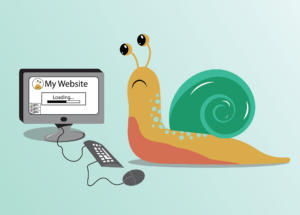
Your website loads too slowly
Speed has a significant impact on user experience.
If visitors have to wait several seconds before your pages load, many will simply leave and visit a competitor instead.
Slow performance can also reduce search engine rankings and increase bounce rates.
Common causes include:
- Oversized images
- Too many plugins
- Poor hosting
- Unoptimized code
- Excessive scripts
- Heavy themes
A fast website creates a smoother experience and encourages visitors to continue browsing.
You don’t have enough social proof
People feel more comfortable making decisions when they know others have already done the same.
Without visible social proof, visitors may wonder whether anyone has actually purchased your product.
Effective social proof includes:
- Customer reviews
- Ratings
- Testimonials
- Client logos
- Download counts
- Active user numbers
- Purchase notifications
- Success stories
- Case studies
The more authentic evidence you can provide, the easier it becomes for new visitors to trust your business.
Visitors don’t understand the value of your product
Price is rarely the only reason people don’t buy.
Often, visitors simply don’t see enough value to justify the cost.
Instead of listing specifications, explain:
- What problems your product solves
- How much time it saves
- How much money it can help users save
- What frustrations it eliminates
- Why it’s better than competing solutions
When visitors clearly understand the value, price becomes much less of a barrier.
Your checkout process creates friction
Even highly interested customers can abandon their purchase if the checkout process feels complicated.
Common problems include:
- Too many form fields
- Forced account registration
- Complicated navigation
- Unexpected shipping costs
- Limited payment options
- Confusing checkout pages
Every additional click or unnecessary step increases the chance that visitors will leave before completing their purchase.
The easier it is to buy, the more sales you’re likely to generate.
Visitors can’t find the information they need
Many buying decisions depend on answering simple questions.
If visitors can’t quickly find information about your product or service, they’ll often leave to look elsewhere.
Useful information includes:
- Product features
- Compatibility
- Installation guides
- Shipping details
- Licensing
- Refund policy
- Frequently Asked Questions (FAQ)
- Support documentation
- Contact options
Providing clear answers reduces uncertainty and helps visitors make confident decisions.
Your call-to-action isn’t strong enough
Sometimes visitors are interested—they just don’t know what to do next.
Every important page should clearly guide visitors toward the next action.
Examples include:
- Buy Now
- Start Free Trial
- Download Now
- Get Started
- Contact Us
- Request a Demo
- Book a Consultation
A visible, compelling call-to-action helps eliminate confusion and encourages visitors to take the next step.
The bottom line
Low sales don’t always mean you need more traffic. In many cases, your existing visitors are already interested—they simply haven’t been given enough reasons to trust your business or complete their purchase.
A high-converting website is built on four key pillars:
- Trust – Show visitors that your business is legitimate and reliable.
- Clarity – Clearly explain what you offer and why it matters.
- Value – Focus on the outcomes and benefits, not just the features.
- User Experience – Make every step, from browsing to checkout, as simple and enjoyable as possible.
When these elements work together, your website stops being just an online brochure and becomes a powerful sales tool that turns visitors into loyal customers.
No comments yet. Be the first to share your thoughts!
Join the conversation